A Practical Guide to Choosing Green and Safe Mattresses: Certifications, Materials, and Care
In a world where sleep quality is increasingly recognized as a pillar of health, the mattress remains an intimate interface between body and environment. The choices shoppers face can feel overwhelming: certifications, materials, flame retardants, and the long arc of sustainability. This guide distills those complexities into a practical framework for evaluating green and safe mattresses. It emphasizes transparency, scientific grounding, and everyday care, helping readers separate marketing gloss from meaningful performance.
Why Certifications Matter
Certifications function as standardized signals in a sprawling marketplace. They offer a way to verify claims about chemical disclosures, manufacturing processes, and environmental impact. For many shoppers, a certification is less a badge of luxury and more a practical guarantee that certain safety and sustainability benchmarks have been met.
Important certs to recognize include CertiPUR-US, GOTS, Made Safe, and sector-specific fire safety certifications. While no single credential can capture the full complexity of a mattress's lifecycle, together they provide a scaffolding for comparing products with confidence.
Materials that Matter for Health and Comfort
Material choices influence comfort, durability, and indoor air quality. Natural latex, organic cotton, wool, and plant-based blends are prominent options that can reduce exposure to potentially harmful chemicals while supporting robust performance. Each material carries trade-offs in feel, longevity, and care requirements. Understanding the fundamentals helps consumers weigh safety against comfort preferences and budget.
Key Materials and What to Expect
-
Natural latex: often Dunlop or Talalay processed, provides durable, responsive support with good airflow. Look for labels that specify “all-natural latex” and verify absence of synthetic blends. Consider sourcing claims and any additional flame retardant strategies.
-
Organic cotton: used in covers and comfort layers, offering breathability and a natural fiber profile. Seek certifications such as GOTS that attest to organic farming practices and chemical safety in processing.
-
Wool: commonly used as a natural flame barrier and temperature moderator. In wool-filled constructions, verify that wool is certified free from harsh chemical treatments and that the blend aligns with your comfort goals.
-
Plant-based and hybrid fills: options such as coconut fibers, rayon alternatives, or recycled materials appear in some constructions. Scrutinize certifications and manufacturing disclosures to ensure safety and environmental claims align with independent standards.
Safety Standards: Reading the Fine Print
The safety profile of a mattress hinges on several overlapping standards and disclosures. Beyond fire safety regulations, many brands pursue certifications that address chemical composition, off-gassing potential, and ingredient transparency. When evaluating a mattress, readers should ask brands about:
- Which certifications apply to the product and where the certifying body operates.
- Specific disclosures of chemical additives or flame retardants, including whether any are used and the rationale behind them.
- Supply-chain transparency, including the sourcing of core materials and the manufacturing environment.
- Testing standards for durability, durability-related emissions, and allergy considerations.
Two certifications frequently cited in responsible bedding discourse are CertiPUR-US for foam formulations and GOTS for organic textiles. CertiPUR-US focuses on content, emissions, and durability for flexible polyurethane foam, while GOTS addresses organic textile processing from fiber to finished garment or product. Naturepedic and Vispring, among others, exemplify brands that publicly discuss their material choices and certifications, underscoring a growing consumer expectation for accountability.
Understanding Claims: How to Separate Marketing from Material Truths
Marketing language often emphasizes “natural,” “organic,” or “chemical-free” without offering verifiable details about process or scope. A careful reader should distinguish between:
- Broad claims without backing data versus
- Specific, verifiable information such as the presence of certified materials, third-party testing results, and documented manufacturing practices.
In practice, this means requesting documentation, such as certificates of conformity, test reports, and material safety data sheets (MSDS) when available. Brands that welcome independent verification and provide ready access to their sourcing and testing data tend to foster trust with health-conscious shoppers.
A Practical Shopping Framework: Quick-start Questions
Before committing to a purchase, keep this concise checklist. It is designed to empower shoppers to quickly assess green and safe mattresses without getting lost in technobabble:
- What certifications apply to this mattress and what do they cover (materials, processing, emissions)?
- Are all core materials disclosed (latex type, cotton origin, wool source)?
- Is there a transparent supply chain or a public materials sheet?
- What are the care requirements, and how do they impact indoor air quality over time?
- Is there a non-toxic fire barrier, and if so, what is its composition and testing basis?
- Are there third-party test results for volatile organic compounds (VOCs) and allergen considerations?
- What is the product’s lifecycle impact, including repairability, warranty, and recyclability?
For readers who want concrete exemplars, brands such as Naturepedic have provided patient explanations of their organic and hypoallergenic offerings, while other premium lines emphasize the use of natural latex and organic textiles. The essential takeaway is that a transparent brand will engage with these questions rather than brushing them aside.
Care and Longevity: Maintaining Green Materials
Even the most responsibly sourced mattress requires thoughtful care to preserve its materials and emissions profile over time. Care routines that minimize unnecessary chemical exposure or mechanical wear include:
- Following manufacturer guidelines for cleaning, washing, and rotation to promote even wear.
- Maintaining a bedroom environment that minimizes humidity and dust, helping to reduce mold and allergen buildup.
- Using breathable mattress protectors made from natural fibers to protect against spills while preserving air exchange.
- Storing or shipping a mattress responsibly if it needs to be moved or replaced, to avoid contamination from surrounding materials.
Care choices are not merely about ease; they influence the long-term safety and environmental footprint of a mattress. A mattress designed with sustainable materials and transparent care guidelines is more likely to deliver durable comfort without surprising chemical off-gassing years into its life.
Real-World Product Context: Selecting from Concrete Options
In today’s market, shoppers will encounter mattresses that blend comfort with natural materials and responsible manufacturing. The following examples illustrate how actual product details align with green and safe criteria. Note that product descriptions are presented to reflect authentic attributes and disclosures; prices and availability may change over time.
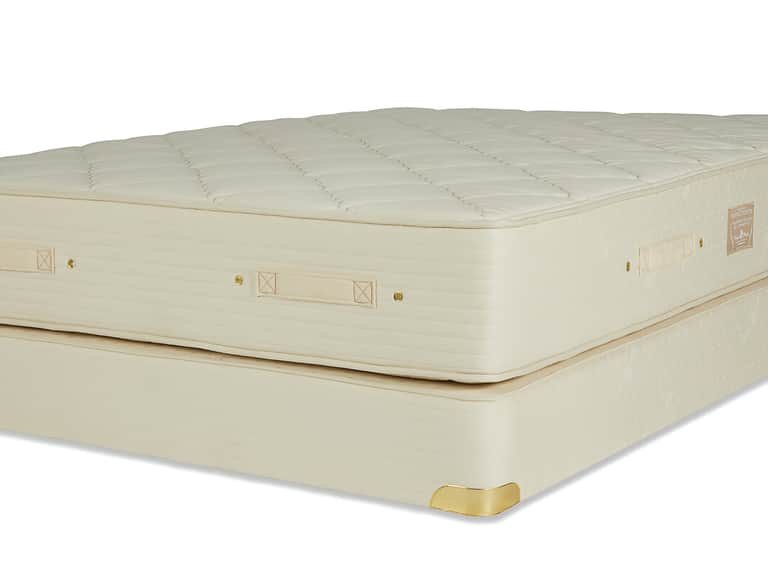
Royal-Pedic Natural Latex Quilt-top Mattress
A high-end option featuring a natural Dunlop latex core integrated with chemical-free wool, premium long-staple cotton, and German stretch-knit ticking. The construction emphasizes moisture wicking and temperature regulation, with a flame barrier provided by natural wool rather than chemical retardants. While luxurious, it invites scrutiny of sourcing details and legacy craftsmanship, common among premium latex mattresses.
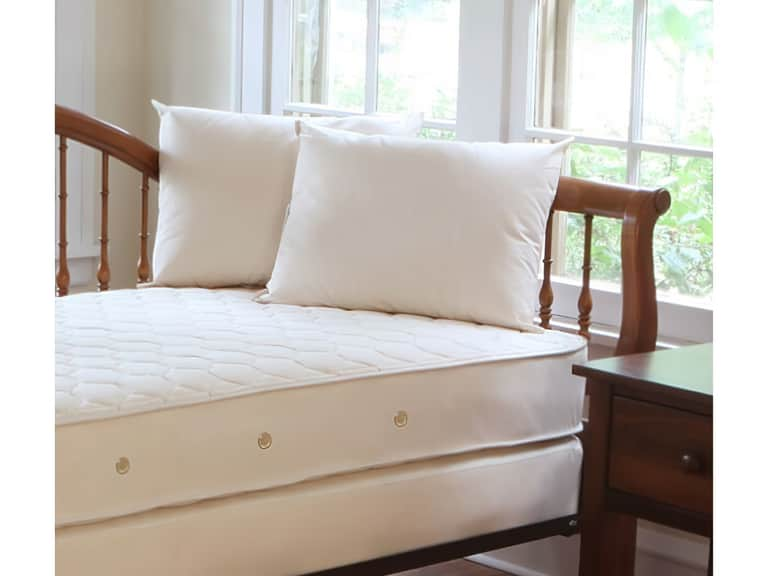
Naturepedic 2 in 1 Organic Kids Mattress
A child-focused option with organic outer cover and a dual-side design featuring a waterproof, non-toxic coating on the top and sides and an organic cotton plush side. The product emphasizes orthopedic support and edge stability, with a 10-year warranty and a claim to hypoallergenic construction.
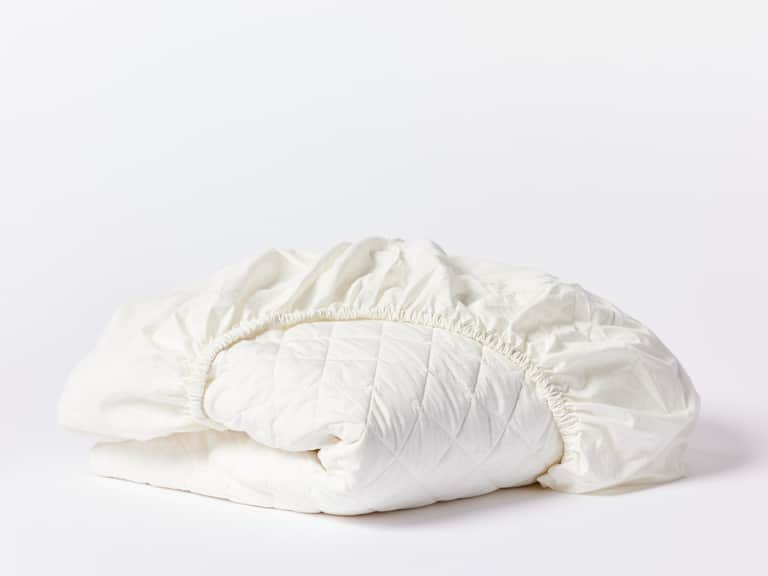
Organic Cotton Mattress Pad (GOTS, Made Safe)
While not a mattress itself, an organic cotton pad underlines how certified textiles contribute to overall sleep health. This pad demonstrates how a certified textile layer can support a safer sleep environment, especially when used with a compatible organic core mattress.
These examples illustrate how green and safe criteria translate into real products: a focus on natural materials, explicit disclosures, and robust third-party certifications. The market continues to evolve, and discerning shoppers should apply the framework above to evaluate new offerings as they appear.
A Balanced Path Forward for Mattress Shopping
For readers of MattressDirectOutlet.com and similar educational platforms, the aim is to empower informed, health-conscious decisions without diminishing the nuance of material science, manufacturing realities, and environmental stewardship. A responsible approach blends:
- Rigorous evaluation of materials with an eye toward long-term health and comfort.
- Transparent supply chains and third-party certifications that withstand scrutiny.
- Clear care guidelines that maximize durability and minimize environmental impact.
- A critical eye toward marketing claims, seeking evidence beyond slogans.
As sleep science advances, so too does the vocabulary of safe and sustainable bedding. By anchoring choices in certification, material integrity, and practical care, consumers can navigate the marketplace with confidence, ensuring that the bed upon which they wake is a source of true restoration rather than a source of concern.
Glossary of Terms
- a certification program for flexible polyurethane foam that tests for certain chemical emissions and content.
- Global Organic Textile Standard, a leading certification for organic textiles covering processing, manufacturing, packaging, labeling, and distribution.
- a certification focused on ensuring products are free from toxic chemicals and safe for use around children and vulnerable populations.
- a term describing materials designed to minimize the likelihood of an allergic reaction, though it does not guarantee complete absence of allergies for every individual.
- volatile organic compounds that can off-gas from certain materials; many people seek products with low or no VOC emissions for indoor air quality considerations.
Further Reading and Resources
For readers who want to dive deeper, consult independent testing reports, safety data sheets, and the official websites of certification bodies. Cross-reference product claims with third-party evaluators to build a robust picture of a mattress's safety and sustainability profile.
Note: The products listed here reflect publicly available descriptions and sample representations. Availability, specifications, and disclosures may change over time. Always verify current certifications and material disclosures directly with the manufacturer or retailer.